
Custom T-Shirts for Hospitality Staff: A Complete Australian Ordering Guide
Everything Australian hospitality businesses need to know about ordering custom staff t-shirts — fabrics, decoration, MOQs, and budgeting tips.

Written by
Ryan Gallagher
Custom Apparel
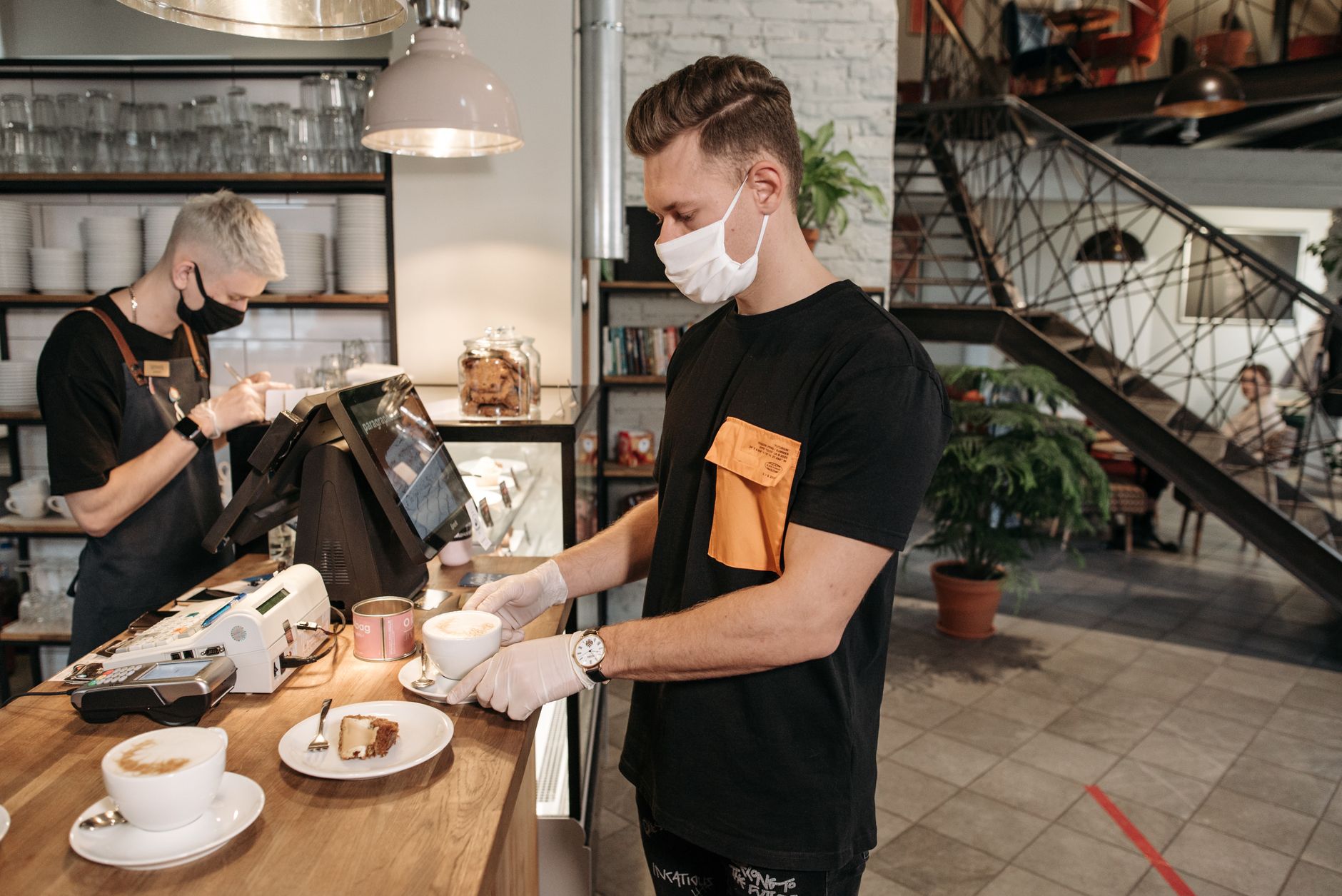
If you’ve ever walked into a busy café in Melbourne’s CBD, a beachside restaurant on the Gold Coast, or a bustling hotel in Sydney and immediately known who to approach for help, chances are the staff uniform did its job perfectly. Custom t-shirts for hospitality staff in Australia are one of the most practical and cost-effective ways to build brand presence, improve customer experience, and give your team a sense of professional identity — all at once. But ordering them isn’t always as straightforward as it seems. From choosing the right fabric for a sweaty kitchen environment to nailing your logo placement, there’s a lot to consider before you place that first order. This guide walks you through everything you need to know.
Why Custom T-Shirts Matter in Hospitality
The hospitality industry is one of the most customer-facing sectors in Australia. Whether you’re running a family restaurant in Adelaide, a boutique hotel in Hobart, or a large-scale resort in the Whitsundays, your staff are the face of your brand every single shift.
Custom t-shirts serve several important functions beyond simply looking good:
- Brand recognition: Customers immediately identify staff, reducing confusion in busy venues
- Professionalism: A cohesive uniform signals credibility and attention to detail
- Team culture: Wearing the same shirt creates a sense of belonging among staff
- Hygiene and practicality: Purpose-built workwear fabrics manage heat and moisture better than generic clothing
For many hospitality venues, the humble staff tee is also a surprisingly powerful marketing tool. Think of how often diners share photos of their restaurant experience on social media — your branded shirt is quietly doing promotional work in every one of those images.
Choosing the Right Fabric for a Hospitality Environment
This is one of the most frequently overlooked decisions when ordering custom t-shirts for hospitality staff in Australia. Not all fabrics are created equal, and the demands of a hospitality environment are pretty unforgiving.
Cotton vs. Polyester vs. Blends
100% cotton is a classic choice. It’s breathable, comfortable against the skin, and tends to take decoration methods like screen printing very well. However, cotton can shrink after washing and takes longer to dry — a consideration if your team goes through multiple shirts in a shift.
Polyester and performance fabrics are increasingly popular in hospitality settings, particularly for front-of-house staff working in warm venues or outdoor areas. These fabrics wick moisture away from the body, dry quickly, and hold their shape wash after wash. They’re ideal for venues in Queensland, the Northern Territory, or Western Australia where heat is a genuine occupational factor.
Cotton/polyester blends (typically 65/35 or 50/50) offer a solid middle ground. You get the softness and printability of cotton with the durability and moisture management of polyester. For most Australian hospitality operators, a blend is the sweet spot.
Fabric Weight
Lighter fabrics (around 150gsm) work well for front-of-house and outdoor service roles. Heavier fabrics (180–200gsm) tend to look more premium and hold their structure better — useful if you want your uniforms to maintain a polished appearance through a long dinner service.
Decoration Methods: What Works Best on Hospitality Uniforms
Once you’ve selected your fabric, the next major decision is how to apply your logo or branding. Different decoration methods suit different fabric types, quantity requirements, and budgets.
Screen Printing
Screen printing remains the most popular method for bulk custom t-shirts in Australia, and for good reason. It delivers vibrant, durable results at a very competitive price per unit when ordering in volume. Most suppliers offer significant price breaks once you move past 50 or 100 units — perfect for larger hospitality groups or hotel chains.
The trade-off is that screen printing involves setup fees (typically $25–$50 per colour per design), which makes small runs more expensive per unit. It also works best on flat, single-coloured designs rather than complex photographic artwork.
Embroidery
Embroidery adds a premium, tactile quality to uniforms and is particularly popular in upscale restaurants, hotels, and resorts. It’s extremely durable — the thread won’t fade or crack even with heavy commercial laundering. The limitation is that fine detail and gradients don’t translate well, so simpler logos tend to look best.
For a deeper look at how these two methods compare, our guide to sublimation for promotional products covers how different decoration techniques handle colour and detail across various fabric types.
Heat Transfer and DTG
Heat transfer printing is a flexible option for smaller quantities or multi-colour designs that screen printing might struggle with. Direct-to-garment (DTG) printing allows for highly detailed, photographic-quality prints directly onto fabric with no setup fees — making it cost-effective for runs of under 20 pieces. However, DTG doesn’t perform as well on polyester fabrics and can fade faster than screen printing in commercial wash cycles. If you’re running your own DTG setup, these direct-to-garment printer maintenance tips are worth bookmarking.
Understanding MOQs, Turnaround Times, and Sizing
Minimum Order Quantities
Most Australian t-shirt suppliers operate with MOQs that vary by decoration method. Screen printing typically starts at 12–25 units per design, while embroidery can sometimes be done from as few as 6–12 pieces. If you’re a small café ordering shirts for a team of four, it’s worth enquiring about mixed-style orders or considering heat transfer for lower-volume runs.
Turnaround Times
Standard production turnaround for custom t-shirts in Australia typically sits between 7 and 15 business days once artwork is approved. Rush orders are available from many suppliers but usually attract additional fees. If you’re ordering for a venue opening, a seasonal hospitality event, or a large catering function, factor in at least 3–4 weeks from first enquiry to delivery to avoid stress. For event-specific merchandise timing considerations, this overview of event merchandise trends in Australia offers useful context on planning timelines.
Sizing and Fit
Hospitality teams are diverse, and sizing inclusivity matters. When placing a bulk order, collect your team’s sizing in advance and order a spread that accounts for at least some growth or staff turnover. Most suppliers offer a size range from XS through to 5XL, and unisex versus fitted cuts are both widely available. It’s worth ordering a size sample before committing to a full run — a shirt that fits well increases uptake and means staff are more likely to wear their uniform consistently.
Budgeting for Custom Hospitality T-Shirts
Budget is always a consideration, and the good news is that custom t-shirts are one of the most affordable uniform solutions available. Here’s a rough guide to what you might expect to pay in Australia:
- Basic screen printed t-shirt, 50 units, one colour: $15–$25 per unit
- Premium cotton/poly blend, 50 units, full-colour print: $22–$35 per unit
- Embroidered polo or t-shirt, 50 units: $28–$45 per unit
Pricing drops significantly with volume. A group of restaurants across Brisbane ordering 200 shirts of the same design could comfortably reduce per-unit costs by 30–40% compared to a single venue ordering 30 shirts.
Don’t forget to account for setup fees, freight (particularly important for venues in regional areas or remote locations), and any artwork or design preparation costs if your logo needs file conversion.
Practical Tips for Getting Your Order Right
Getting a custom t-shirt order right the first time saves time, money, and frustration. Here are some considerations drawn from common ordering experiences:
- Supply print-ready artwork: Logos should ideally be provided as vector files (AI, EPS, or PDF). Raster images (like JPGs or PNGs from websites) are often too low-resolution for quality decoration.
- Confirm PMS colours: If brand colour accuracy matters to you, request PMS (Pantone) colour matching rather than relying on a digital screen reference.
- Request a pre-production sample or proof: Always approve a physical or digital proof before full production begins, especially for new suppliers or new designs.
- Order buffer stock: Ordering 5–10% more than you strictly need is a smart practice — it covers size swaps, new hires, and accidental damage during a busy season.
The same disciplined approach to ordering applies across other merchandise categories too. Whether you’re exploring custom polo shirts for staff teams or looking into custom printed gym bags for team events, the fundamentals of artwork prep, proofing, and budgeting remain consistent.
Eco-Friendly Options for Hospitality Uniforms
Sustainability is increasingly important to Australian consumers, and many hospitality businesses are actively looking to align their purchasing decisions with their environmental values. Fortunately, sustainable t-shirt options have expanded considerably.
Organic cotton, recycled polyester (often made from reclaimed PET bottles), and bamboo-blended fabrics are all available through a growing number of Australian suppliers. These options typically carry a small price premium but can be a meaningful part of your broader sustainability story. If your venue is committed to reducing its environmental footprint, exploring hemp-branded merchandise options is another avenue worth investigating for future uniform cycles.
For venues that are also interested in a more complete eco-friendly merchandise approach, eco promotional notebooks and other sustainable branded items can complement your staff uniform range for gifting or event use.
Beyond the T-Shirt: Building a Complete Uniform Range
Custom t-shirts are often the starting point, but many hospitality operators expand into a broader branded uniform suite over time. Aprons, caps, visors, lanyards, and staff bags are all common additions.
For outdoor or event-focused hospitality settings — think summer festivals, pop-up dining experiences, or beachside venues — summer branded merchandise like sun hats and sunscreen can form a practical and on-brand addition to the staff uniform. And if you’re running hospitality events or trade show appearances, event swag ideas for Australian trade shows provides inspiration for broadening your brand touchpoints beyond clothing.
Branded lanyards are another practical uniform accessory, particularly for hotel staff, resort teams, and large hospitality venues managing multiple departments. While many businesses explore custom lanyard options through various channels, working with a dedicated promotional merchandise supplier usually offers better pricing at volume.
Conclusion: Key Takeaways for Ordering Custom T-Shirts for Hospitality Staff in Australia
Getting your custom t-shirts for hospitality staff right takes a little planning, but the results — a professional, cohesive team that reinforces your brand every shift — are well worth the effort. Here’s a quick summary of the most important points to keep in mind:
- Choose fabric based on your environment: Blends or moisture-wicking polyester work best in hot or physically demanding settings; heavier cotton blends suit upscale front-of-house roles
- Match your decoration method to your needs: Screen printing for volume and value, embroidery for premium and longevity, DTG or heat transfer for small runs and detailed designs
- Plan your timeline carefully: Allow 3–4 weeks minimum from enquiry to delivery for stress-free ordering, especially around venue openings or busy seasons
- Invest in quality artwork preparation: Vector files and PMS colour references will save you time, money, and disappointment
- Consider sustainability: Organic cotton, recycled polyester, and bamboo blends are increasingly accessible and align with growing consumer expectations
- Order a buffer: A small quantity of extra stock is always a smart investment in a fast-moving hospitality environment