Eco Friendly Promotional Items: The Complete Guide for Australian Businesses
Discover the best eco friendly promotional items for Australian businesses, with expert tips on products, budgeting, and sustainable branding.
Written by
Tessa Nordberg
Eco & Sustainable Products
Choosing promotional products has always been a balancing act — you want something useful, memorable, and on-brand. But in 2026, there’s an increasingly important fourth criterion: sustainability. Australian businesses, corporate teams, and event organisers are under growing pressure from clients, staff, and stakeholders to make more responsible choices — and branded merchandise is one area where that shift is happening fast. Eco friendly promotional items aren’t just a feel-good option anymore. They’re becoming the smart, strategic choice for organisations that care about how they’re perceived and what kind of impact they’re leaving behind.
Why Eco Friendly Promotional Items Matter More Than Ever
The promotional products industry has historically been associated with cheap, disposable giveaways that end up in landfill within weeks. Plastic pens, single-use bags, and low-quality trinkets — sound familiar? That model is changing, and for good reason.
Australian consumers are increasingly environmentally conscious. Research consistently shows that people engage more positively with brands that demonstrate genuine sustainability commitments. When a Sydney tech company hands out bamboo notebooks at a conference, or a Perth council distributes reusable tote bags at a community event, the message is clear: this organisation thinks beyond the short term.
There’s also a practical business case. Eco friendly promotional items tend to be higher quality, which means recipients actually use them — and keep using them. That translates into more brand impressions per dollar spent. A branded reusable coffee cup used daily by a Melbourne professional generates far more visibility than a cheap plastic giveaway that ends up in a drawer.
For event organisers in particular, sustainable merchandise has become a genuine differentiator. Conferences and trade shows that prioritise green giveaways attract more positive feedback and align better with modern corporate values. If you’re still ordering the same low-cost, high-waste products you were five years ago, it’s worth rethinking your approach.
The Best Categories of Eco Friendly Promotional Items
Not all sustainable merchandise is created equal. Some products genuinely reduce waste and environmental impact. Others are “greenwashed” — marketed as eco-friendly without much substance behind the claim. Here’s a breakdown of the best product categories for organisations serious about making a difference.
Reusable Drinkware
This is arguably the most impactful category. Single-use coffee cups and plastic water bottles are significant contributors to waste, and branded alternatives offer a direct, everyday solution. Our guide to popular water bottles for branded promotions explores why this category consistently tops popularity charts for corporate gifting.
Reusable drink bottles — particularly stainless steel and BPA-free options — are among the most widely used promotional products in Australia. Check out our overview of reusable water bottles for branded campaigns for a closer look at the options available. Similarly, a quality travel mug or keep cup is a gift people actually use daily, which makes branded travel mugs and coffee cups an excellent investment for corporate gifting and event giveaways alike.
For outdoor workers in colder climates — think Canberra, Hobart, or the Victorian highlands — winter thermos flasks made from sustainable materials serve both a practical and brand-building purpose.
Reusable Bags
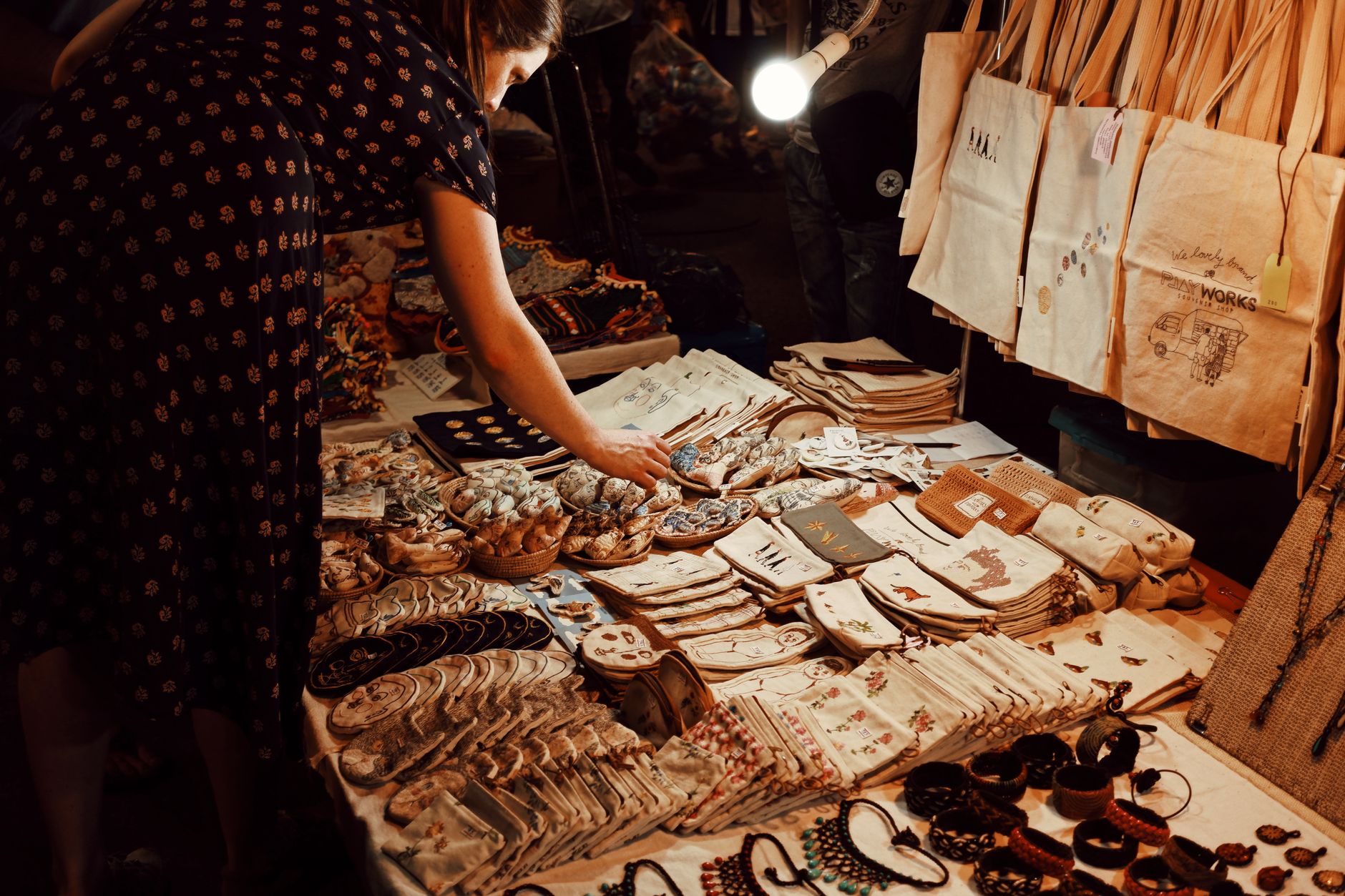
Bags are one of the most visible eco friendly promotional items you can invest in. Every time someone carries a branded tote or shopper to the supermarket, the gym, or the office, they’re putting your logo in front of new eyes.
Our guides to reusable bags for grocery shopping and personalised reusable shopping bags cover the practical details — from material options like jute, organic cotton, and recycled PET, to minimum order quantities and decoration methods.
Tote bags with zippered closures are a popular upgrade for corporate audiences who want something a little more polished. And for summer events or outdoor activations, a small cooler bag made from eco-conscious materials adds real utility to your branded merchandise range.
Sustainable Stationery and Office Products
Bamboo pens, recycled notebooks, seed paper notepads — the stationery category has undergone a genuine green transformation. These products are particularly well-suited to corporate environments, schools, and government departments.
Bamboo is a fast-growing, renewable resource, which makes it an excellent base material for pens, rulers, USB drives, and desk accessories. Speaking of which, our guide to promotional USB sticks includes eco-friendly options worth considering for tech-savvy organisations.
Apparel Made Responsibly
Branded apparel doesn’t have to come at an environmental cost. Garments made from organic cotton, recycled polyester, or sustainable blends are increasingly available at competitive price points. Whether you’re kitting out a corporate team or organising event staff uniforms, there are sustainable options across the range.
For female staff or participants, women’s polo shirts made in Australia from quality, responsibly sourced fabrics are a great starting point. If your team works outdoors in demanding conditions, explore durable work clothing options that prioritise longevity — because a garment that lasts three years is infinitely more sustainable than one that wears out in three months.
Even accessories like gym towels can be sourced in organic or recycled materials, making them a thoughtful and eco-conscious addition to a wellness-focused giveaway pack.
How to Evaluate Whether a Product is Truly Eco Friendly
This is where many organisations trip up. “Eco friendly” has become a marketing buzzword, and not every product that claims sustainability credentials can back it up. Here’s what to look for.
Material transparency. Ask your supplier exactly what the product is made from. Recycled PET, organic cotton, bamboo, FSC-certified wood, and reclaimed materials are genuinely sustainable. Vague claims like “natural” without specification are a red flag.
Product longevity. A sustainable item is one that lasts. If it breaks or wears out quickly, it still ends up in landfill — just slightly later. Our overview of sustainable promotional items for Australian organisations covers how to assess product quality alongside environmental credentials.
Decoration methods. Some printing processes use more chemicals or resources than others. Water-based inks, laser engraving, and debossing tend to have lower environmental footprints than solvent-based pad printing. Our guide to sublimation for promotional products explains how this popular decoration method works and where it fits in a sustainable product strategy.
Supply chain considerations. Where is the product made? How far has it travelled to reach you? Locally sourced or Australian-made products typically have a lower carbon footprint than items shipped from the other side of the world.
Upcycled options. Products made from reclaimed or upcycled materials are at the premium end of sustainable merchandise. Our guide to upcycled promotional products in Australia is essential reading if you want to explore this growing category.
Budget and Ordering Considerations for Eco Merchandise
One common concern is cost. Eco friendly promotional items can carry a higher per-unit price than conventional alternatives, but this gap has narrowed considerably as demand has grown and supply chains have matured.
Here’s how to make sustainable merch work within a realistic budget:
- Prioritise quality over quantity. A smaller number of genuinely useful, well-made items will deliver better brand results than a large volume of cheap giveaways.
- Order in bulk where possible. Bulk pricing tiers still apply to eco products — ordering 500 units instead of 100 can significantly reduce your per-unit cost.
- Plan ahead. Sustainable products sometimes have longer lead times, particularly if they’re made to order or sourced from specialist suppliers. Allow at least 3–4 weeks for standard orders, and longer if you require samples or custom packaging.
- Check MOQs early. Minimum order quantities for eco products vary widely — some bamboo items start at 50 units, while others may require 250 or more.
For event organisers managing a diverse merchandise mix, think about pairing high-value eco items (like a stainless steel bottle) with lower-cost sustainable additions (like a seed paper card or recycled lanyard) to balance your budget without compromising your green message.
Matching Products to Your Audience and Event
The best eco friendly promotional items are the ones your audience will actually use. A reusable bottle works brilliantly at a health and fitness expo. A bamboo notebook is perfect for a corporate conference. A waterproof phone case made from sustainable materials suits an outdoor adventure brand or sporting event.
For summer outdoor events, consider branded sun hats and sunscreen in eco-conscious packaging — a practical choice that’s particularly relevant for activations in Brisbane, Darwin, or the Gold Coast. And don’t overlook accessories like branded tablecloths made from recycled or sustainable fabrics for your event display setup — even the supporting elements of your activation can reflect your sustainability values.
If you’re looking for inspiration beyond the mainstream, our guide to unique promotional products includes a range of unconventional ideas that can help your brand stand out while still prioritising environmental responsibility.
Conclusion: Key Takeaways for Choosing Eco Friendly Promotional Items
Sustainability in branded merchandise isn’t a passing trend — it’s a shift that reflects broader changes in how Australian businesses and consumers relate to the world around them. Making thoughtful choices about eco friendly promotional items is one of the most tangible ways an organisation can demonstrate its values.
Here are the key points to carry forward:
- Reusable drinkware and bags deliver the highest everyday visibility and have a direct, measurable impact on reducing single-use waste.
- Material transparency matters — always ask suppliers for specific sustainability credentials rather than accepting vague “eco-friendly” claims at face value.
- Longevity equals sustainability — a product that lasts is always more responsible than a cheap alternative that ends up in landfill.
- Decoration methods have an environmental footprint too — consider laser engraving, debossing, or water-based inks where possible.
- Plan your budget strategically — sustainable merchandise is an investment, and ordering thoughtfully in the right quantities will give you the best return on both your spending and your environmental impact.
The shift toward eco friendly promotional items is one of the most positive developments in the Australian branded merchandise industry. With the right products, suppliers, and strategy, your organisation can turn every giveaway into a genuine statement of values — and one that your audience will actually appreciate and use.