
Why Searching "Printing Store Near Me" Might Be Costing Your Business More
Discover smarter alternatives to local print shops for branded merchandise. Save time, money, and stress with expert ordering tips for Australian businesses.

Written by
Amelia Russo
Buying Guides & Tips
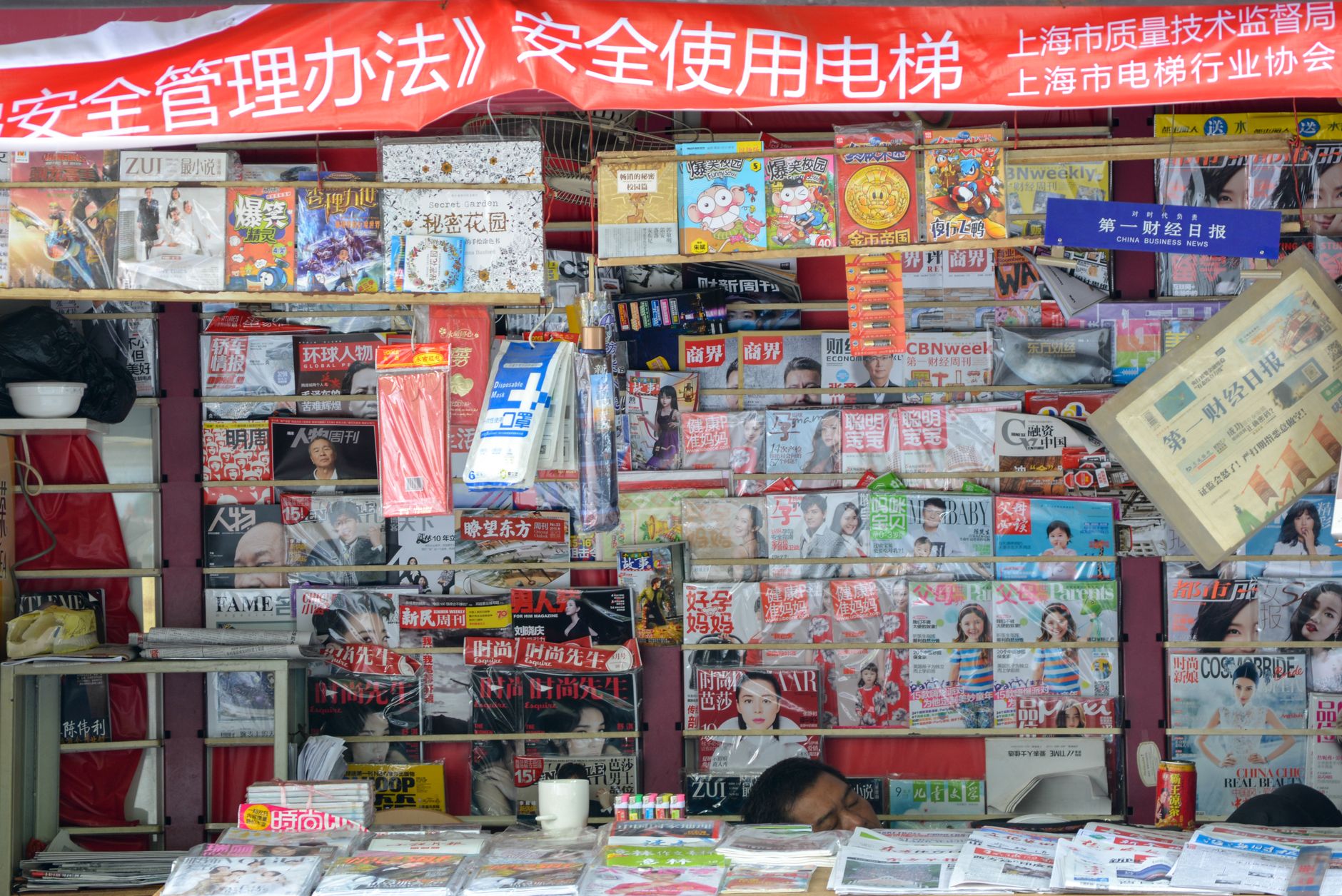
When you need branded merchandise in a hurry, the instinct to search “printing store near me” is completely understandable. You want something fast, local, and tangible — someone you can walk into and talk to face-to-face. But here’s the thing: for most Australian businesses, corporate teams, and event organisers, that approach can actually work against you. Local print shops often have limited product ranges, higher per-unit costs, and restricted decoration capabilities compared to what’s available through specialist promotional merchandise suppliers. Before you head down the road to your nearest print shop, it’s worth understanding what your options really are — and what you might be leaving on the table.
What a Local Printing Store Can (and Can’t) Do for You
There’s no denying that local printing stores serve a genuine purpose. For small, single-item jobs — a one-off poster, a quick banner for a weekend market stall, or a handful of business cards — a nearby shop can absolutely get the job done. Speed and convenience are real advantages when you’re working to a tight deadline and only need a small quantity of a straightforward item.
However, when it comes to branded merchandise for businesses, events, or corporate gifting, local print shops typically fall short in several key areas:
Limited Product Range
Most high street printing stores focus on flat print media — flyers, banners, signage, and perhaps basic apparel. If you’re looking for custom promotional items like branded drinkware, tech accessories, bags, or workwear, you’re unlikely to find a comprehensive solution under one roof at your local shop.
Higher Per-Unit Costs
Local printers rarely offer the bulk pricing tiers that specialist promotional merchandise suppliers do. If you’re ordering 100+ units — which is common for corporate events, trade shows, or staff onboarding kits — the cost difference can be significant. A Brisbane-based corporate team ordering 200 branded travel coffee mugs will almost always find better value through a dedicated merch supplier than through a neighbourhood print shop.
Decoration Method Limitations
A standard printing store may only offer digital printing or basic heat transfer. Specialist suppliers can offer embroidery, screen printing, sublimation, laser engraving, pad printing, and debossing — each suited to different products and brand aesthetics. Choosing the right decoration method can make a huge difference to the perceived quality and longevity of your branded items.
The Rise of Online Promotional Merchandise Suppliers in Australia
Over the past several years, the Australian promotional products industry has matured enormously. What was once a category dominated by slow-turnaround catalogue suppliers has evolved into a fast, responsive, and highly competitive space. Today, businesses across Sydney, Melbourne, Perth, Adelaide, and beyond can order professional-grade branded merchandise online and receive it within days — often with lower per-unit costs than a local print store.
This shift means the “printing store near me” search query is increasingly outdated for merchandise-specific needs. Online suppliers offer:
- Broader product catalogues — from reusable water bottles and promotional drawstring backpacks to branded USB sticks and personalised name tags and badges
- Transparent bulk pricing — tiered pricing that drops per unit as quantity increases
- Digital proofing — artwork approval via email or online portal before anything is produced
- Nationwide delivery — whether your team is in Darwin, Hobart, or the Gold Coast, your order ships to you
- Dedicated account support — experienced staff who understand branding, artwork formats, and decoration methods
Working with a dedicated promotional merchandise supplier also means you benefit from industry-specific knowledge that a general printing store simply doesn’t have.
When “Near Me” Actually Matters — And When It Doesn’t
To be fair, there are specific situations where proximity genuinely matters. If you need:
- Same-day printed materials (signage, pull-up banners, large format printing)
- Walk-in consultations for complex custom jobs
- Physical proofing of large print pieces before committing to a run
…then yes, a local printing store may be your best bet. But for the vast majority of branded merchandise orders — staff uniforms, event giveaways, corporate gifts, trade show merchandise — location is largely irrelevant. What matters is product quality, decoration quality, turnaround time, and cost-effectiveness.
Think about it this way: a Canberra-based government department ordering 500 units of branded reusable shopping bags doesn’t need their supplier to be around the corner. They need accurate colour matching, reliable delivery before their event date, and a price that fits within their procurement budget. All of that is achievable through a well-chosen online supplier.
What to Look for in a Branded Merchandise Supplier Instead
If you’re ready to look beyond the nearest print shop, here’s what to prioritise when evaluating promotional product suppliers for your organisation.
Decoration Method Expertise
Not all decoration methods suit all products. Embroidery works beautifully on caps, polo shirts, and workwear, giving a premium, durable finish. Screen printing is cost-effective for high-volume apparel runs. Laser engraving is ideal for metal and timber products like mug warmers or awards. Sublimation allows full-colour, all-over printing on items like gym towels and phone cases. A quality supplier will help you select the right method for your product and budget.
Clear Minimum Order Quantities (MOQs)
Different products come with different MOQs. Branded pens might have a minimum of 100 units, while custom small cooler bags might start at 25 or 50. Understanding MOQs upfront helps you plan your budget and avoid surprises. Always ask before you get too far into the planning process.
Realistic Turnaround Times
Standard production on most branded merchandise runs between 7 and 15 business days after artwork approval. Rush orders may be available but typically attract a premium. If you’re planning a conference in Melbourne or a trade show in Sydney, build your order timeline around the production schedule — not the other way around.
Sampling Options
For larger orders, requesting a sample before committing is always worthwhile. Many suppliers offer pre-production samples or stock samples so you can assess the product quality firsthand. This is especially important for items like branded stubby coolers or customised promotional mints where quality perception directly reflects on your brand.
Artwork Support
Look for suppliers who have in-house artwork teams or can provide detailed artwork guidelines. Vector files (AI, EPS, PDF) are typically required for most decoration methods. If your logo only exists as a low-resolution JPEG, a good supplier will flag this early and help you source or recreate the right file format.
Building a Smarter Branded Merchandise Strategy
Rather than reacting to each need individually — and potentially ending up at your nearest print shop every time — the most organised businesses treat branded merchandise as a planned, strategic function.
Here are a few practical steps to get there:
Consolidate your suppliers. Working with one or two trusted merchandise suppliers rather than multiple ad hoc vendors helps you maintain brand consistency, streamlines artwork management, and often unlocks better pricing through relationship and volume.
Plan ahead for events. Whether it’s an end-of-year function in December, a trade expo in March, or a product launch in July, adding 3–4 weeks of buffer to your merchandise timeline avoids rush fees and print errors.
Develop a brand asset folder. Keep your logo files (in multiple formats and colour variations), brand colour codes (RGB, CMYK, and PMS where possible), and brand usage guidelines in one accessible place. Sharing this with your supplier at the start of every project saves back-and-forth and ensures consistent output.
Think beyond print. The best-performing promotional merch in 2026 isn’t just visually branded — it’s useful, quality, and relevant to your audience. A well-chosen branded product that your customers actually use daily is worth far more than a stack of printed flyers. Explore the full range of promotional products for companies to find items that align with your brand values and audience lifestyle.
Interested in what’s out there? Browse our guide to promotional materials for a broader overview of what’s available across product categories.
Key Takeaways
Before you default to searching “printing store near me” for your next branded merchandise project, keep these points in mind:
- Local print shops are suited to flat print media, not comprehensive branded merchandise solutions — for anything beyond basic signage, a specialist supplier will serve you better
- Online promotional merchandise suppliers offer broader ranges, better bulk pricing, and professional decoration options that most local printers can’t match
- Location doesn’t need to be a factor for most merchandise orders — quality, turnaround, and cost-effectiveness matter far more
- Planning ahead is your best tool — building 3–4 weeks into your timeline avoids rush costs and allows for sampling and proper artwork preparation
- Consolidating suppliers and maintaining brand assets in one place saves time, reduces errors, and ensures a more consistent brand presence across all your merchandise
The next time that search instinct kicks in, pause and consider whether what you actually need is a full-service promotional merchandise partner rather than a print shop down the road. For most Australian businesses, the answer is probably yes.