
Promotional Products for Companies: The Complete Australian Business Guide
Discover how Australian companies can choose, order, and maximise promotional products to boost brand visibility and engage staff and clients.

Written by
Daniel Voss
Corporate Gifts
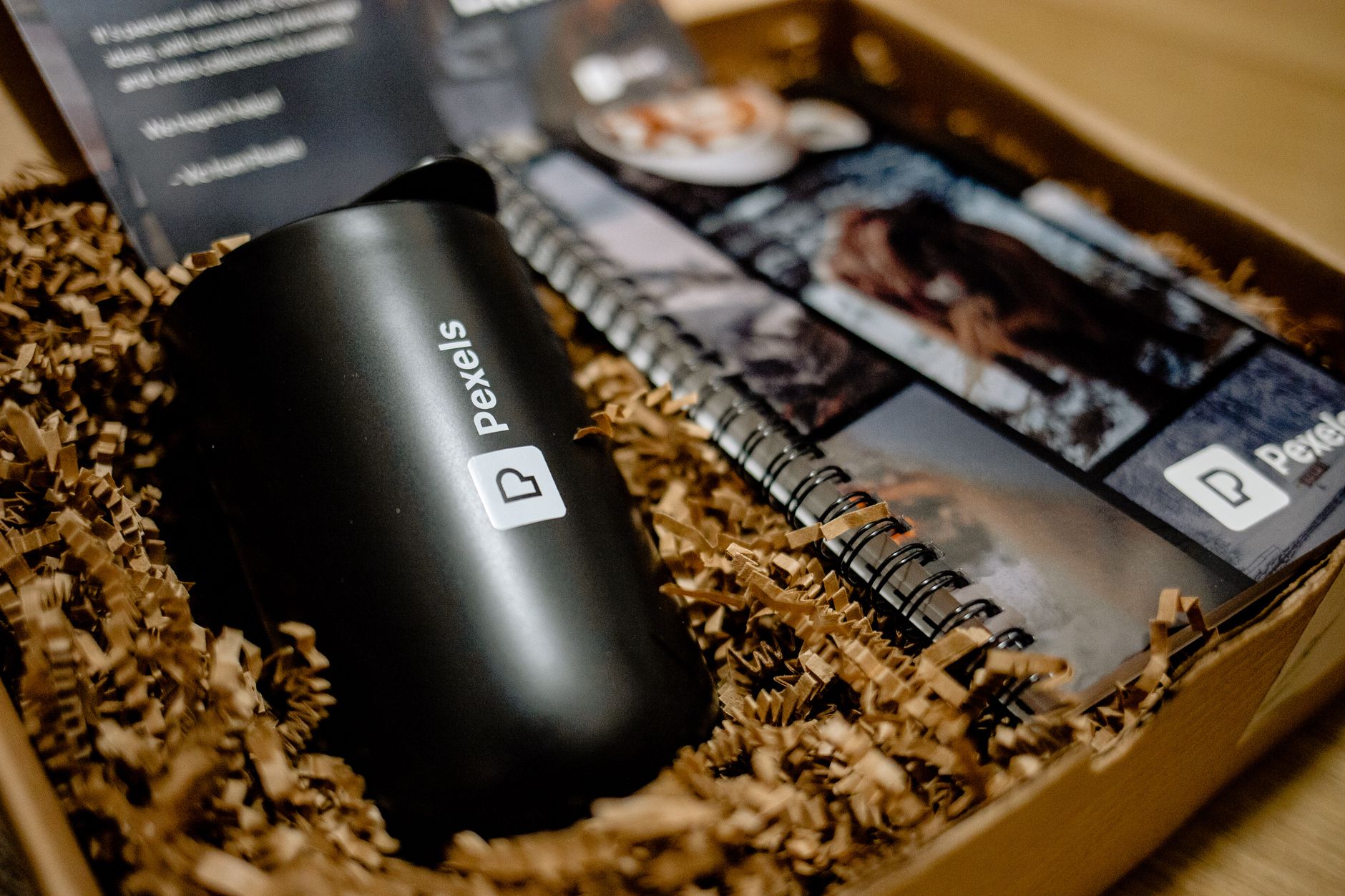
Choosing the right promotional products for companies can feel overwhelming — especially when you’re staring down a product catalogue with thousands of options, a tight deadline, and a budget that needs to stretch across an entire team, event, or client base. Whether you’re a Sydney marketing manager preparing for a major trade show, a Brisbane corporate team sourcing staff welcome kits, or a Melbourne business planning its end-of-year client gifting campaign, branded merchandise is one of the most tangible and effective tools in your marketing arsenal. Done well, it builds brand recognition, fosters loyalty, and keeps your business top of mind long after the handshake or event wrap-up.
Why Promotional Products Still Matter for Australian Companies
In an era of digital ads and social media campaigns, it might seem old-fashioned to invest in physical merchandise. But the data consistently tells a different story. Branded merchandise generates repeated impressions over months — sometimes years — unlike a social post that disappears from a feed within hours.
Think about it from a practical standpoint. A branded keep cup handed out at a corporate wellness event gets used daily on the morning commute. A quality embroidered polo worn by a Perth trades business creates a professional impression every single day on the job site. A personalised notebook handed to a conference attendee in Adelaide gets carried into meetings for months. These are not throwaway moments — they are ongoing brand touchpoints that compound over time.
Australian companies investing in promotional merchandise are also increasingly conscious of how their products reflect their brand values. That means the race to the bottom on price is giving way to a smarter approach: selecting products that are useful, well-made, and aligned with what the business stands for.
Understanding What Makes a Great Promotional Product
Not all branded merchandise is created equal. Before diving into product selection, it helps to understand what separates a truly effective promotional product from a piece of landfill-fodder that ends up in a drawer.
Relevance to the Recipient
The best promotional products for companies are the ones that the recipient actually wants to use. A USB drive handed out at a technology conference? Highly relevant. The same product given to a group of construction workers on a job site? Less so. Understanding your audience — whether they’re corporate clients, trade customers, event attendees, or new employees — is the first step to making smart merchandise choices.
Practicality and Daily Use
Products that earn a permanent spot in someone’s daily routine are the most valuable from a brand visibility standpoint. Items like popular branded water bottles, travel mugs and coffee cups, and quality branded pens are classic examples for good reason — they’re used constantly, giving your logo repeated exposure without any additional spend.
Quality That Reflects Your Brand
Handing out a product that breaks within a week sends a message — just not the one you intended. For corporate gifting and client-facing merchandise especially, quality matters enormously. A well-constructed product signals professionalism and care, while a cheap one can actively undermine your brand reputation.
Decoration Method Suitability
Different products suit different decoration methods, and getting this right affects both the visual result and longevity of your branding. Embroidery works beautifully on polos, caps, and bags. Screen printing is ideal for t-shirts and tote bags. Laser engraving is perfect for premium metal drinkware or tech accessories. Pad printing is commonly used for promotional mints and confectionery, pens, and small hard-surface products. Sublimation delivers full-colour, edge-to-edge prints on items like printed stubby coolers and custom sports apparel.
The Best Categories of Promotional Products for Companies
Let’s break down the most effective product categories for Australian businesses and when each one works best.
Branded Drinkware
Few categories deliver better return on investment than drinkware. A quality insulated bottle or keep cup gets used daily, often in visible public spaces — the office, the gym, public transport. Explore our guide to mug warmers and branded mugs if you’re looking for thoughtful desk-based gifting options. For outdoor or active staff, a branded gym towel or bottle combo as part of a wellness kit is a brilliant touch — check out our gym towel options for inspiration.
Custom Apparel and Workwear
Branded apparel is one of the most powerful forms of promotional merchandise because it quite literally turns your team into walking billboards. From embroidered polos for corporate staff to high-visibility safety gear for field teams, the right apparel creates a cohesive, professional image.
If your team spends time in the gym or plays sport, custom gym clothing with your company logo is a creative way to keep branding active and visible in social settings. For trades and industrial businesses, quality work clothes and hi-vis gear ensure staff look professional while meeting safety obligations.
Bags and Totes
Bags travel. That’s what makes them such a high-impact promotional product. A well-designed tote or backpack gets taken to the supermarket, the office, the airport — anywhere and everywhere, taking your brand along for the ride.
Reusable personalised shopping bags have surged in popularity as Australians embrace sustainable habits, making them an excellent fit for eco-conscious companies. For conferences, expos, or staff starter kits, promotional drawstring backpacks offer a cost-effective, practical option with wide appeal.
Tech Accessories
Tech products tend to have a high perceived value, making them ideal for premium corporate gifting or rewarding top clients. Branded USB sticks remain a popular conference giveaway, particularly in industries where sharing files and content is part of everyday business. Custom phone cases with company branding are another creative option that delivers ongoing brand exposure.
Stationery and Office Essentials
Stationery is a staple of the corporate promotional world for good reason — it’s practical, universally appreciated, and endlessly customisable. From branded pens to notebooks, desk accessories, and name tags and ID badges, stationery products keep your brand in the eyeline of staff and clients throughout the working day.
Awards, Recognition, and Milestone Products
Branded merchandise isn’t just for external marketing — it’s also a powerful internal tool. Recognising employee achievements with quality branded awards, medallions, or personalised gifts builds culture and loyalty from within. These items carry emotional weight that far outlasts their physical presence on a desk or shelf.
How to Budget and Plan a Promotional Merchandise Order
Getting the most from your promotional products budget requires a bit of planning upfront. Here’s a practical framework for Australian companies approaching a merch order.
Define Your Objective First
Are you trying to generate brand awareness at a trade show? Reward loyal clients? Welcome new employees? The objective shapes everything — product selection, quantity, quality level, and decoration approach. Knowing your “why” before diving into product catalogues keeps decision-making focused and efficient.
Understand Minimum Order Quantities
Most promotional products come with a minimum order quantity (MOQ). For lower-cost items like pens or lanyards, MOQs can start from as few as 50 units. Premium items like quality bags or drinkware may require a minimum of 25–100 units. Understanding MOQs early helps you plan quantities and align expectations around budget. Our guide to sourcing from merchandising suppliers covers this in more detail.
Factor in Setup Fees and Lead Times
Setup fees (for screens, moulds, or artwork files) are a one-off cost that many buyers forget to account for. Depending on the decoration method and product type, these can range from $0 to over $150 per colour or position. Standard turnaround for most branded merchandise is 10–15 business days from proof approval, though rush options are available for urgent campaigns — typically at a premium. If you’re organising a large event or campaign, always build in buffer time.
Think About Artwork Early
Poor artwork leads to poor results. Ideally, your logo should be provided as a vector file (AI, EPS, or high-resolution PDF) to ensure clean reproduction across all decoration methods. If your artwork isn’t quite there yet, many suppliers offer basic artwork assistance. Colour matching using PMS (Pantone Matching System) codes ensures consistency across different products and print runs — particularly important when ordering a range of promotional items across different materials and surfaces.
Choosing the Right Supplier
Finding a reliable supplier is as important as finding the right product. A good promotional merchandise partner will offer transparent pricing, proactive communication, clear proof approval processes, and quality guarantees. When evaluating suppliers, ask about their sample process — most will supply pre-production samples for larger orders, and for new products, it’s always worth seeing a sample before committing to a full run.
Take a look at our guide to sourcing promotional materials for tips on working effectively with suppliers from brief to delivery.
Conclusion: Key Takeaways for Australian Companies
Investing in promotional products for companies is about more than slapping a logo on something cheap and calling it marketing. The most effective branded merchandise is useful, well-made, relevant to its audience, and thoughtfully integrated into broader marketing or HR strategies. Australian businesses that approach merch strategically see real, measurable returns — in brand recognition, customer loyalty, and team culture.
Here are the key takeaways to carry forward:
- Start with strategy, not products — define your objective and audience before selecting any item
- Prioritise quality and relevance over novelty — a product people actually use delivers far more value than a gimmick that gets discarded
- Understand the full cost — factor in setup fees, freight, and GST when comparing quotes and setting budgets
- Plan ahead — standard turnaround times of 10–15 business days mean last-minute orders risk disappointment; build in buffer time wherever possible
- Work with experienced suppliers who understand your industry, can offer proofs, and communicate proactively throughout the process
Whether you’re placing your first merch order or refining a well-established branded merchandise programme, the principles above will help you get better results — and make sure every dollar spent on promotional products for companies is working as hard as it can for your brand.