The Branded Merch Edit
Suppliers & Wholesale · 7 min read

How to Choose the Right Promotional Products Supplier for Your Australian Business

Discover how to find a reliable promotional products supplier in Australia. Expert tips on quality, pricing, lead times, and what to look for.

Ryan Gallagher

Written by

Ryan Gallagher

Custom Apparel

promotional products supplier - promotional merchandise

Choosing the right promotional products supplier can be the difference between a branded merchandise campaign that genuinely moves the needle and one that leaves you with a warehouse full of disappointing product and a dented budget. For Australian businesses, corporate teams, and event organisers, the stakes are real — your branded merchandise is often one of the first tangible touchpoints your audience has with your organisation. Getting it right matters. But with so many suppliers operating across Sydney, Melbourne, Brisbane, Perth, and beyond, knowing what to look for — and what to avoid — can feel overwhelming. This guide breaks it all down so you can make a confident, informed decision.

What Does a Promotional Products Supplier Actually Do?

Before diving into how to choose one, it’s worth understanding what a good supplier actually brings to the table. A promotional products supplier sources, decorates, and delivers branded merchandise on behalf of businesses, event organisers, schools, government departments, and other organisations. They act as the bridge between your brand identity and the physical products your audience will hold, wear, or use.

Their services typically include:

  • Product sourcing and procurement across hundreds of categories
  • Decoration and branding using methods like screen printing, embroidery, sublimation, laser engraving, pad printing, and heat transfer
  • Artwork preparation and proofing to ensure your logo looks right before production begins
  • Fulfilment and delivery — coordinating logistics to get product to your door (or directly to event venues, offices, or distribution centres)

Some suppliers specialise in certain categories — tech accessories, eco-friendly products, or apparel — while others operate as full-service providers across the board. Understanding this distinction early will save you a lot of time when shortlisting options.

Key Factors to Evaluate When Selecting a Supplier

Product Range and Category Depth

The breadth of a supplier’s product catalogue matters more than most people realise. A supplier with a limited range may push you toward products that don’t quite fit your brief, simply because they’re what’s available. A supplier with genuine depth across categories — from branded reusable water bottles and custom travel mugs to promotional USB sticks and gym towels — gives you genuine flexibility to build a campaign that suits your audience, your budget, and your objectives.

For corporate teams running a product launch in Sydney, this might mean sourcing a mix of premium tech accessories and lifestyle items. For an event organiser in Brisbane coordinating a summer activation, it could mean sun protection products and branded hats alongside waterproof phone cases and reusable shopping bags.

Don’t be afraid to ask a potential supplier directly: “Can you show me your full range across these three categories?” Their response will tell you a lot.

Decoration Quality and Method Expertise

Product quality is only half the equation — how your logo is applied to that product matters just as much. A quality supplier will guide you toward the right decoration method for each product type, rather than defaulting to one technique across everything.

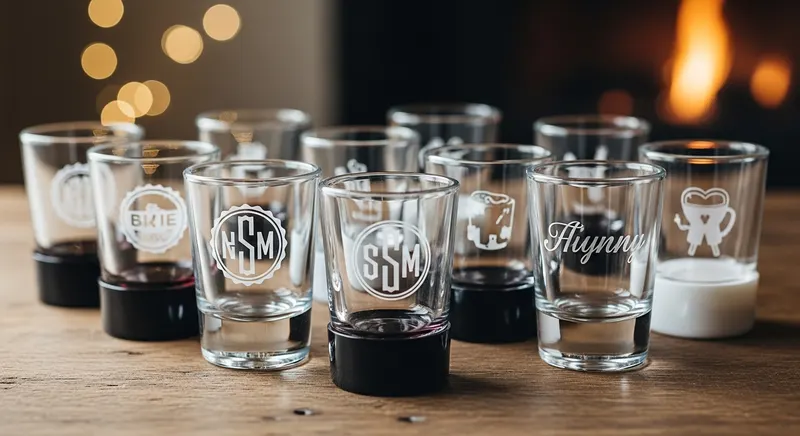
For instance, embroidery is generally preferred on polos, caps, and workwear because it’s durable and professional. Screen printing suits flat surfaces like tote bags and t-shirts where bold, colourful artwork can shine. Sublimation works beautifully on polyester-based products and allows for full-colour, edge-to-edge designs — if you’re exploring this technique further, our guide to sublimation for promotional products is a great starting point. Laser engraving adds a premium feel to metal drinkware, awards, and leather goods.

Ask suppliers to show you physical samples — not just digital mockups — before committing to a large order. This is particularly important when ordering items like tote bags with zippers, branded thermos flasks, or women’s polo shirts, where the quality of materials and branding application directly affects how the end user perceives your brand.

Minimum Order Quantities and Pricing Transparency

Minimum order quantities (MOQs) vary considerably between suppliers and product types. Some products — particularly custom-printed items — require a minimum run of 50, 100, or even 250 units to make the decoration setup cost viable. Others, especially laser-engraved or digitally printed items, may be available in smaller quantities.

If you’re a small business in Adelaide ordering branded merchandise for the first time, or a not-for-profit in Hobart running a community fundraiser, MOQs can be a significant barrier. A good supplier will be upfront about these thresholds and help you find products that work within your quantity requirements — without pressuring you into ordering more than you need.

Pricing transparency is equally important. Watch out for suppliers who quote low unit prices but bury significant costs in:

  • Setup or origination fees (these can range from $30 to $200+ per colour or design element)
  • Artwork rework charges for files that don’t meet production specifications
  • Freight and handling fees that aren’t included in the initial quote
  • Rush order surcharges if your timeline is tight

A trustworthy promotional products supplier will itemise all costs clearly and walk you through the total investment before you approve production.

Lead Times and Reliability

Lead times are one of the most common sources of stress in branded merchandise projects — and one of the clearest indicators of a supplier’s reliability. Standard production turnarounds for most decorated products in Australia typically range from 10 to 15 business days from artwork approval, though this varies depending on product complexity, decoration method, and stock availability.

If you’re sourcing product for a specific event — a Melbourne conference, a Perth trade expo, a Gold Coast corporate day — you need absolute confidence that your supplier can hit the deadline. Ask for their typical turnaround times, whether they hold local stock in Australia or import from offshore, and what their policy is if something goes wrong.

Suppliers who import product from overseas can offer more competitive pricing, but they carry higher risk around lead times and quality consistency. Local stock — held in Australian warehouses — means faster turnaround and easier quality checks. Clarify this before you commit.

Sustainable and Ethical Sourcing: An Increasingly Important Consideration

Australian businesses are under increasing pressure from customers, employees, and stakeholders to demonstrate responsible procurement practices. This extends to branded merchandise. A growing number of organisations — particularly in Melbourne, Sydney, and Canberra — are actively seeking sustainable promotional items that align with their environmental commitments.

When evaluating a promotional products supplier, ask about:

If sustainability is a genuine priority for your organisation, don’t settle for vague claims. Ask for specific product certifications, material compositions, and country of origin details. A quality supplier will have this information readily available.

Questions to Ask Before You Commit to a Supplier

Shortlisting suppliers is only the first step. Before signing off on a purchase order, run through these practical questions:

About the product:

  • Do you have physical samples available for this product?
  • What is the material composition, and is it ethically sourced?
  • Are the products held in Australian stock, or are they imported to order?

About the decoration:

  • Which decoration method do you recommend for this product and why?
  • Can I see examples of this method applied to this specific product?
  • What are your artwork file requirements, and what happens if my files need reworking?

About the process:

  • What is the full breakdown of costs, including setup fees and freight?
  • What is the realistic turnaround from artwork approval to delivery?
  • Do you provide a digital proof or physical pre-production sample before full production begins?

About reliability:

  • Do you have references or case studies from similar organisations?
  • What is your policy if product arrives damaged or doesn’t meet specifications?
  • Who will be my dedicated point of contact throughout the order?

If a supplier hesitates or deflects on any of these questions, that’s worth noting.

Beyond the Basics: Finding a Supplier Who Understands Your Brand

The most effective branded merchandise campaigns aren’t just about finding the cheapest product at the right quantity. They’re about working with a promotional products supplier who takes the time to understand your brand, your audience, and what you’re trying to achieve.

A supplier who asks good questions — “What’s the occasion?”, “Who’s receiving this?”, “What’s the primary goal of this piece?” — is far more likely to recommend genuinely useful, well-branded products than one who simply pulls from a standard catalogue. Whether you’re looking for unique promotional products that will stand out in a crowded trade show bag or reliable workwear staples for a Darwin construction crew, the right supplier will help you get there.

It’s also worth exploring a supplier’s event merchandise capabilities. Items like branded tablecloths for exhibition stands and premium golf bags for corporate tournaments all benefit from suppliers with genuine event experience and the logistical capability to coordinate complex orders.

Conclusion: Key Takeaways for Choosing Your Promotional Products Supplier

Finding the right promotional products supplier is a process that rewards careful research, honest questions, and a clear understanding of your own requirements. Here’s a quick summary of what to keep in mind:

  • Evaluate product range depth — a supplier with broad, well-stocked categories gives you more flexibility to match merchandise to your brief
  • Prioritise decoration quality — always ask for samples and understand which method is right for your product before approving production
  • Demand full pricing transparency — setup fees, artwork charges, and freight should all be quoted upfront, not discovered on the final invoice
  • Confirm lead times in writing — especially when merchandise is tied to a specific event date or campaign launch
  • Ask about sustainability credentials — Australian organisations increasingly expect suppliers to demonstrate ethical and environmentally responsible sourcing practices
  • Work with a supplier who asks the right questions — expertise and genuine engagement with your brief will produce far better results than a transactional order-taking approach

Take your time, ask the right questions, and choose a supplier who feels like a genuine partner in your branded merchandise journey — not just a vendor filling an order.