What Are Promo Brands and How to Choose the Right Ones for Your Business
Discover how to evaluate promo brands, select the right products, and build a branded merchandise strategy that works for Australian businesses.
Written by
Priya Kapoor
Branding & Customisation
When someone mentions “promo brands,” they might be talking about the branded products your business hands out at events, the merchandise your corporate team wears in the field, or the carefully curated range of items that carries your logo into the world every single day. In 2026, the Australian promotional products industry is more sophisticated than ever — and understanding how to leverage promo brands strategically can be the difference between merchandise that gets used and merchandise that ends up in the bin. Whether you’re an event organiser planning a conference on the Gold Coast, a corporate team in Melbourne refreshing your branded collateral, or a Sydney-based business preparing for a trade show, this guide will help you make sense of what promo brands actually mean and how to get the most from your investment.
What Does “Promo Brands” Actually Mean?
The term “promo brands” is used in a couple of distinct ways, and it’s worth unpacking both before we dive deeper.
Branded Promotional Products
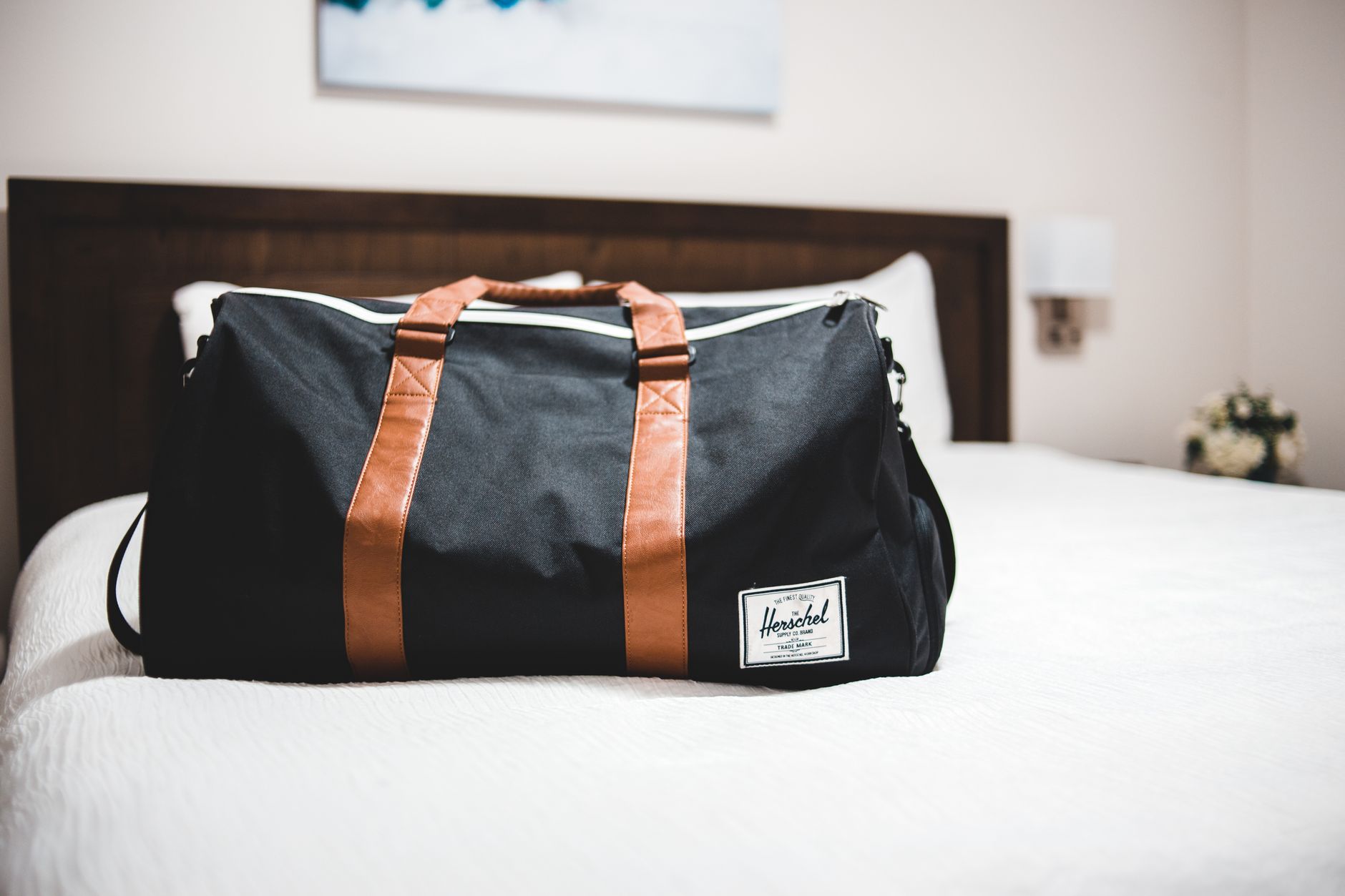
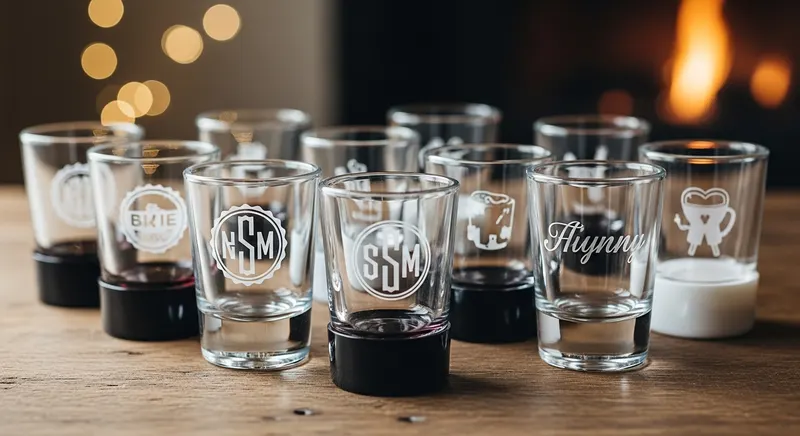
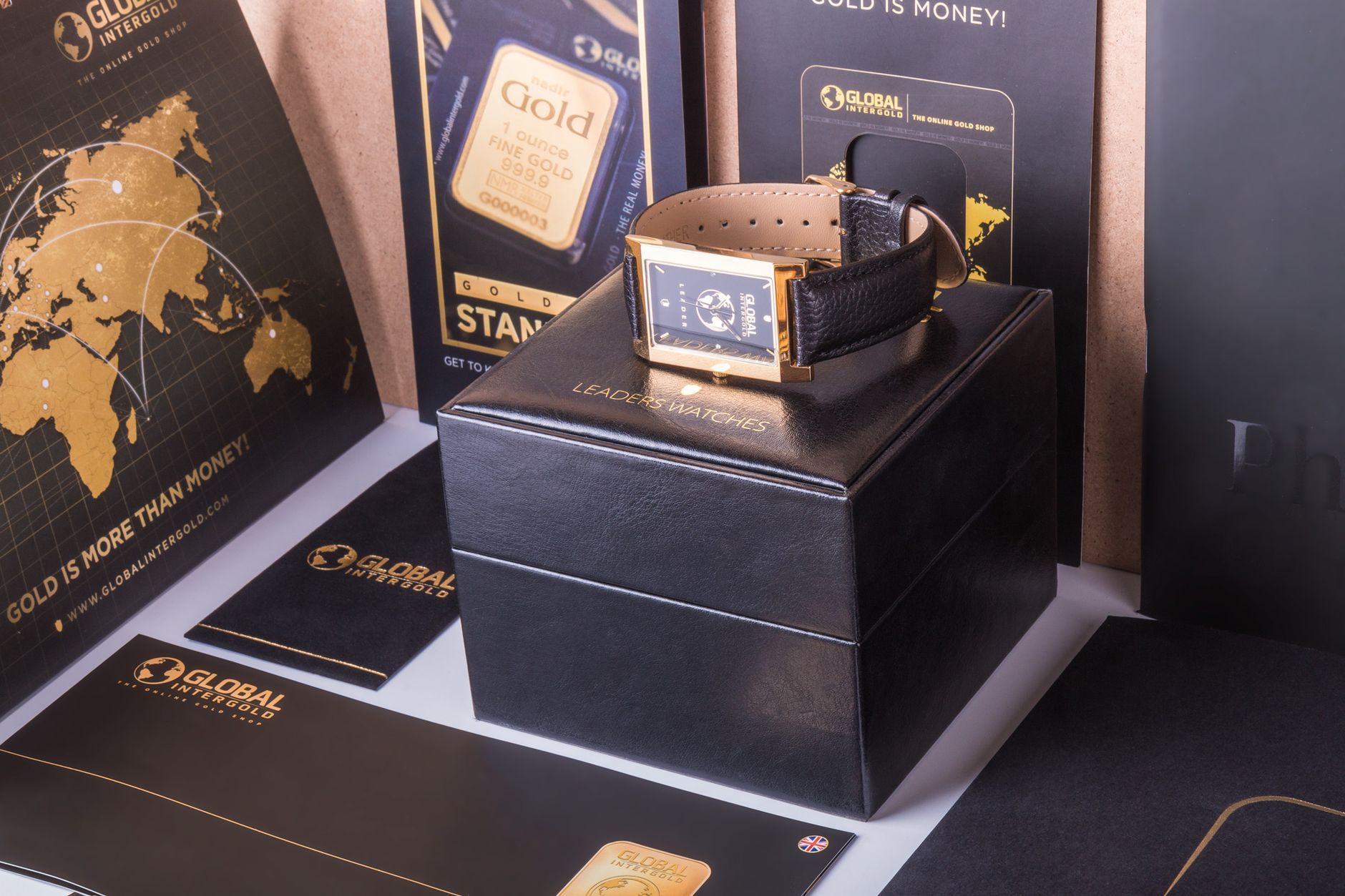
In the most common usage, “promo brands” refers to the act of branding promotional products — everyday items like drinkware, apparel, bags, and tech accessories that are customised with your organisation’s logo, name, or message. This is the bread and butter of the promotional merchandise industry. A Brisbane financial services firm handing out branded keep cups at a client event, or a Perth council distributing custom tote bags at a community expo — these are both examples of promo brands in action.
Premium or Named Product Brands Used for Promotions
The second interpretation refers to well-known product brands used as the base for promotional merchandise. Think quality drinkware manufacturers, reputable apparel labels, or trusted workwear lines. When organisations choose to use a recognised product brand as their promotional item — and then add their own logo — they’re trading on that brand’s existing reputation for quality. This is an important distinction because the base product’s quality directly reflects on your brand.
Understanding both meanings helps you make smarter decisions when sourcing merchandise. You’re not just choosing what logo goes on a product; you’re choosing which product carries your name.
Why the Quality of Your Promo Brands Matters More Than You Think
Here’s a truth that many businesses learn the hard way: a cheap promotional product can do more harm than no promotional product at all. When a pen runs out of ink after two uses, or a branded water bottle starts leaking, the recipient’s subconscious association is with your brand — not the product manufacturer.
This is why experienced merchandise buyers pay close attention to the quality of the base product, not just the decoration. A thoughtfully selected item used daily by your audience is far more valuable than a high-volume, low-quality giveaway that gets discarded within a week.
For organisations investing in eco-friendly merchandise, this concern runs even deeper. Our guide to sustainable promotional items explores how conscious product choices communicate your brand values just as powerfully as your logo placement.
Decoration Method Affects Perceived Quality
Beyond the product itself, the decoration method plays a major role in how your promo brand is perceived. Embroidery on a polo shirt conveys a different brand impression than a simple heat transfer. Laser engraving on a metal travel mug communicates permanence and quality in a way that a printed label simply doesn’t.
For products that will be used regularly — like corporate apparel or reusable drinkware — it’s worth investing in decoration methods that will last. Sublimation printing is one excellent option for full-colour, durable decoration on eligible substrates, and it’s particularly popular for sportswear, custom apparel, and novelty items.
Choosing the Right Promo Brand Products for Your Organisation
Not all promotional products suit all organisations. The best approach is to start with your audience and work backwards to the product, rather than picking items because they seem popular or affordable.
Corporate Businesses and Professional Services
For law firms, financial advisers, real estate agencies, and other professional services businesses, promo brands should reflect the quality and trustworthiness of the service being offered. Premium items — think quality travel mugs and keep cups, branded water bottles, or sophisticated stationery — tend to land well with corporate audiences.
A Canberra-based consulting firm, for example, might choose to equip its team with embroidered polo shirts from a reputable Australian workwear label, or distribute laser-engraved metal pens to clients at annual reviews. The perceived value of the item should match the perceived value of the brand.
Events, Conferences, and Trade Shows
Events are one of the highest-volume use cases for promotional merchandise in Australia. A well-planned event merchandise strategy considers practicality (will attendees carry it around all day?), brand visibility (can other attendees see the logo?), and longevity (will they keep using it after the event?).
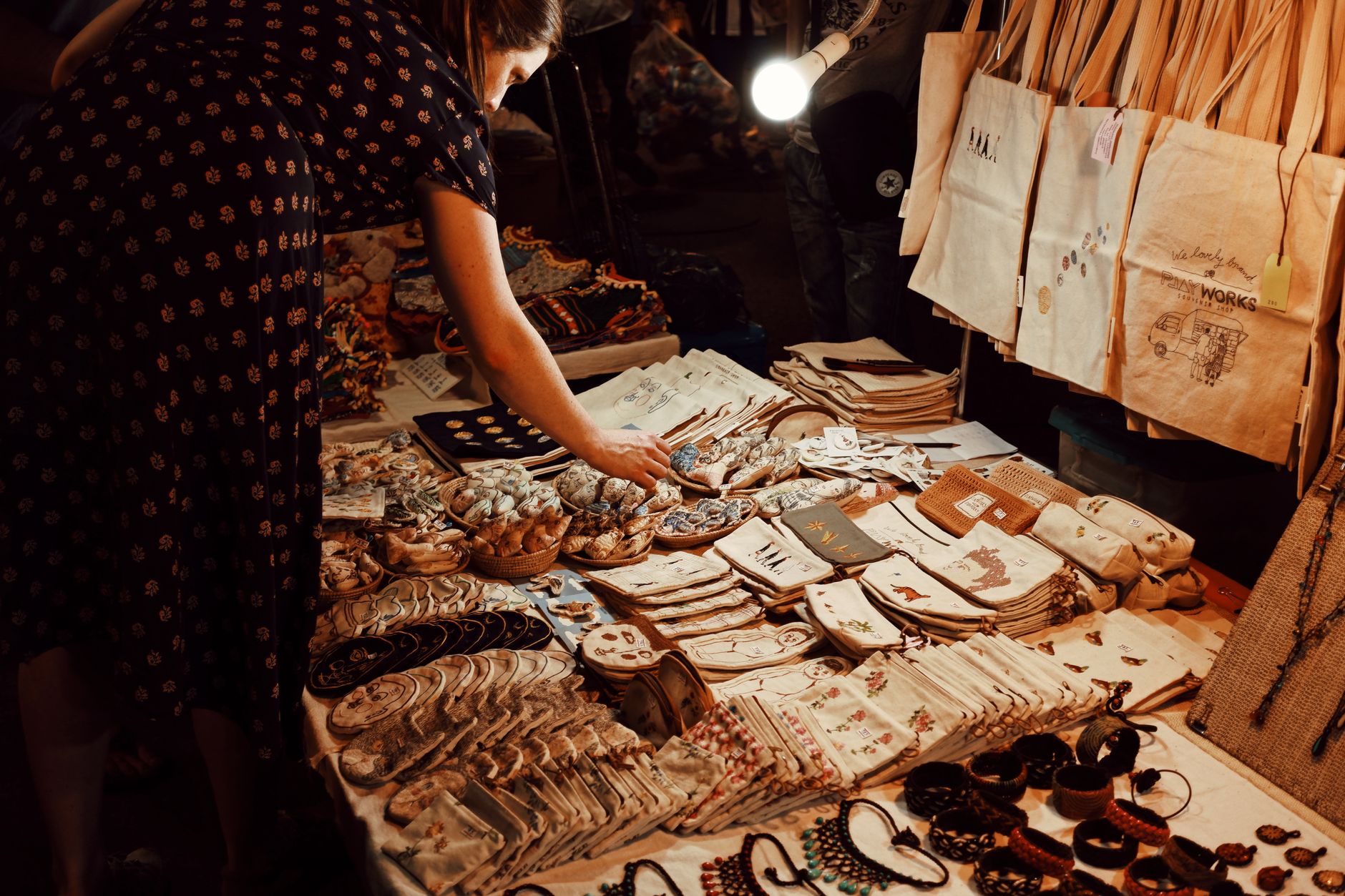
Popular event staples include tote bags with zippers, branded lanyards, reusable shopping bags, and branded sunscreen and sun hats for outdoor events. For trade shows and expos specifically, items that are practical enough to carry home — rather than being left at the venue — offer the best return on investment.
If you’re running a tech-forward conference or targeting a digital-savvy audience, promotional USB sticks and waterproof phone cases can stand out from the typical branded tote and pen combination.
Outdoor Workers and Field Teams
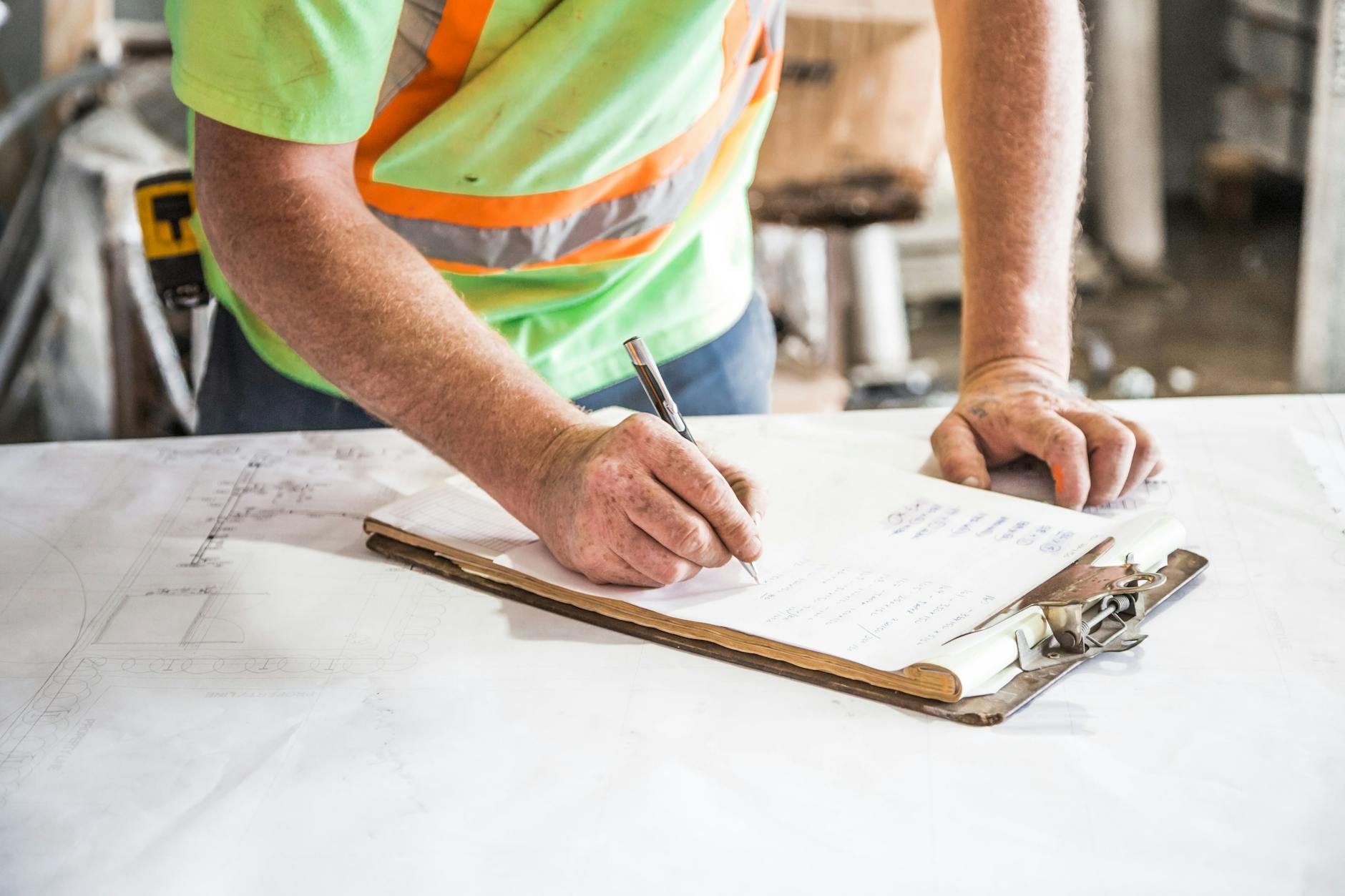
Organisations with outdoor-facing teams have unique merchandise needs. Products need to be durable, functional, and appropriate for Australian working conditions. A mining company based in Western Australia, a construction firm in Queensland, or a utilities business operating across regional New South Wales — all have staff who need merchandise that performs in the field.
Options worth considering include insulated thermos flasks for outdoor workers, quality gym and sports towels, and rugged workwear from trusted labels. Carhartt-style work clothing represents the kind of durable, premium base product that makes outdoor promo brands genuinely useful rather than merely decorative.
Similarly, branded small cooler bags are a practical option for outdoor and site-based teams who need to keep lunches or drinks cold during long shifts.
Understanding MOQs, Lead Times, and Budget
One of the most common points of confusion for organisations new to ordering promotional products is navigating minimum order quantities (MOQs), production timelines, and setup fees. Getting these wrong can mean missing a deadline or blowing your budget.
Minimum Order Quantities
Most promotional products come with an MOQ — the minimum number of units a supplier will produce in a single order. This varies widely depending on the product and decoration method. Screen-printed t-shirts might have an MOQ of 25, while pad-printed pens could start at 100 or 250 units. Premium items like branded golf stand bags typically have much lower MOQs given their higher unit price.
Always confirm the MOQ before finalising your budget, especially if you’re ordering for a small team or a boutique event.
Turnaround Times
Standard production for most promotional products in Australia runs between 10 and 20 business days after artwork approval. Rush options are often available but come at a premium. If you’re ordering for a specific event — a Melbourne product launch, a Sydney conference, an Adelaide awards night — build in at least four to six weeks from the date of your first enquiry to ensure you’re not paying express fees.
Setup Fees and Artwork Requirements
Many suppliers charge a one-off setup fee per colour or per decoration area. These fees cover the preparation of screens, embroidery digitisation, or die creation. Provide artwork in vector format (AI or EPS preferred) to avoid additional artwork redraw charges. PMS colour matching may also incur a small fee but is strongly recommended for brand-critical colours.
Sustainable and Upcycled Options Are Reshaping Promo Brands
Increasingly, Australian businesses and organisations are asking not just “what can we put our logo on?” but “what does this product say about our values?” This shift has driven enormous growth in the eco-friendly promotional products space.
Reusable grocery bags and upcycled promotional products are no longer niche options — they’re mainstream choices for organisations that want their merchandise to tell a sustainability story. Popular branded water bottles made from recycled materials, bamboo-based stationery, and organic cotton tote bags are all finding their way into corporate merchandise strategies across Australia.
For organisations exploring this space, the key is ensuring the sustainability credentials of the product are genuine and verifiable. Greenwashing — overstating a product’s environmental benefits — is increasingly scrutinised by Australian consumers and corporate procurement teams alike.
You’ll also find that unique, thoughtful products tend to perform better than generic giveaways. Our roundup of unique promotional products is a great starting point if you’re looking to move beyond the standard pen-and-notebook combination.
Women’s Workwear and Inclusive Branded Apparel
A final area worth highlighting is the growing demand for inclusive branded apparel. Historically, corporate merchandise — especially workwear — was designed with a male fit in mind. Today, organisations across Australia are recognising the importance of offering properly fitted options for all team members.
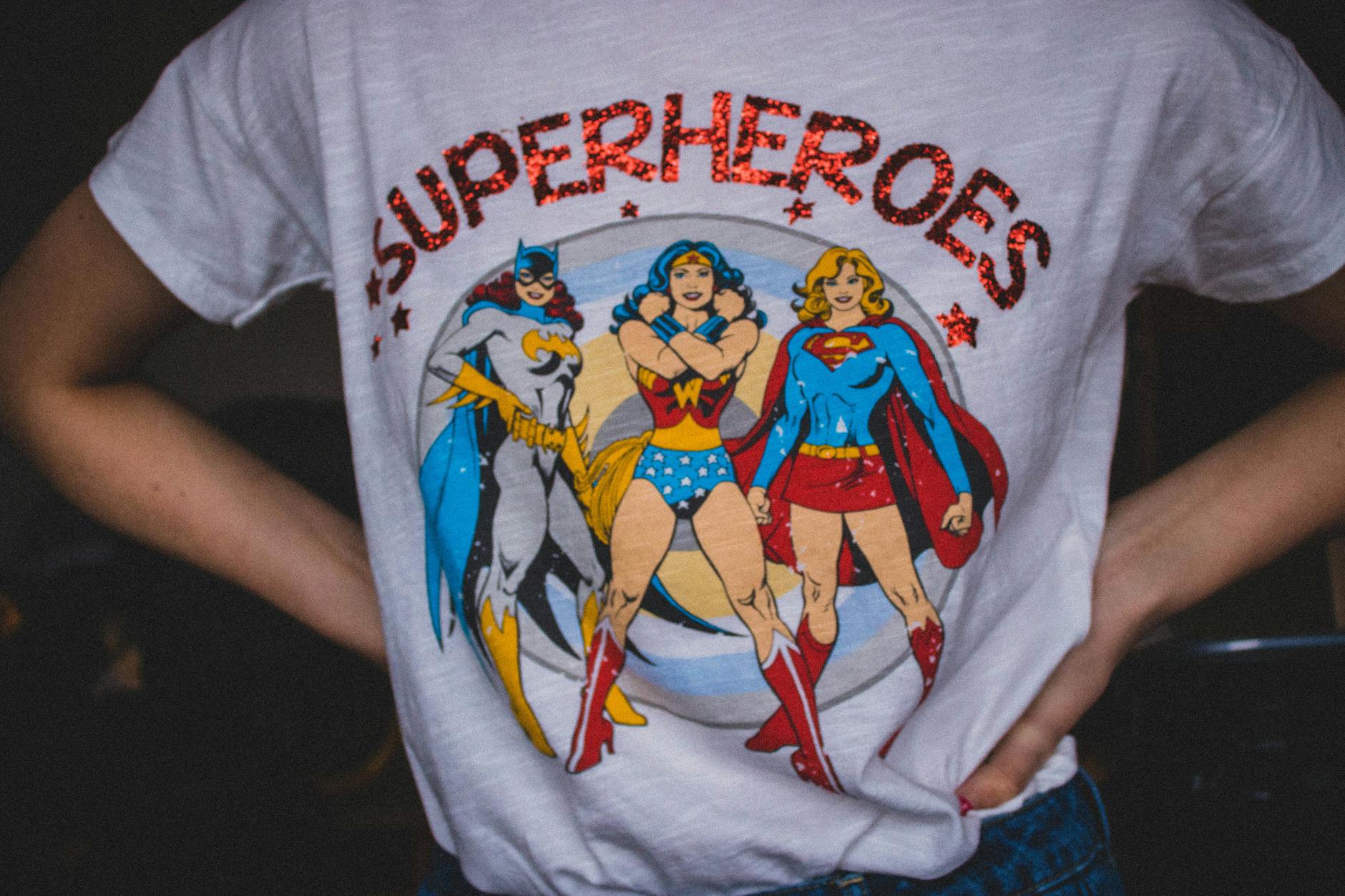
Women’s polo shirts in Australia are a prime example of a category that has expanded significantly, with suppliers now offering tailored fits, a broader colour range, and decoration options that suit corporate, retail, and community team environments alike. When ordering branded apparel for your team, always request a size run sample to ensure fit and quality meet expectations before committing to a large order.
Conclusion: Building a Smarter Promo Brand Strategy
Promo brands aren’t just about slapping a logo on a product and hoping for the best. The most effective branded merchandise strategies are deliberate, audience-focused, and rooted in a clear understanding of what your brand stands for. Here are the key takeaways to carry forward:
- Quality over quantity — a smaller number of well-chosen, premium products will outperform a large volume of low-quality giveaways every time
- Match the product to the audience — corporate clients, outdoor workers, event attendees, and community groups all have different needs and respond to different merchandise
- Plan ahead — factor in MOQs, artwork requirements, setup fees, and production lead times to avoid costly last-minute rush orders
- Think about longevity — products used daily (drinkware, bags, apparel) offer ongoing brand exposure long after the event or campaign is over
- Sustainability is no longer optional — Australian businesses and procurement teams increasingly expect eco-conscious choices, so explore upcycled and reusable options as part of your merchandise mix